The academia-industry consortium InSilicoNet is the new partner of CINE in the development of technologies for the energy transition. The partnership brings together InSilicoNet’s competence in solutions based on digital tools and CINE’s scientific expertise in materials and devices for a low-carbon economy. Based on this agreement, the two teams will be able to work together to generate innovations that accelerate the transition to a more sustainable world, including aspects…

Through a wide variety of initiatives and activities, the Center for Innovation on New Energies (CINE) not only leads research and development of innovative technologies, but also plays a key role in disseminating knowledge and educating the public about the complexities and opportunities created by the energy transition. Thus, throughout the first 5 years of CINE’s existence, a diverse set of activities was carried out, including events of various types,…
Over the past 5 years, the Center for Innovation in New Energies (CINE) has played an important role in advancing research and development in the field of renewable energy. One of the pillars of our strategy has been technology transfer (TT), an effort that is beginning to bear significant fruit and which aims to establish CINE as an innovative leader in the sector in Latin America. During this period, we…

CINE, as we know it today, began in 2018, still without an official name. At the end of 2018, after a vote by members of the then Engineering Research Center, the name Center for Innovation on New Energies (CINE) was chosen by a large majority. CINE’s founding partners and financiers are Shell Brasil and FAPESP. Since 2018, approximately R$91 million have been invested in research, training of human resources through…

It is with great enthusiasm that CINE announces its partnership with Itaú Unibanco to hold a series of workshops dedicated to disseminating knowledge about the energy transition. By bringing together CINE’s scientific and technological expertise and Itaú’s commitment to sustainability, this collaboration will promote a rich exchange of ideas on topics of great impact, such as urban mobility, generation and storage of renewable energy, new fuels with a low carbon…
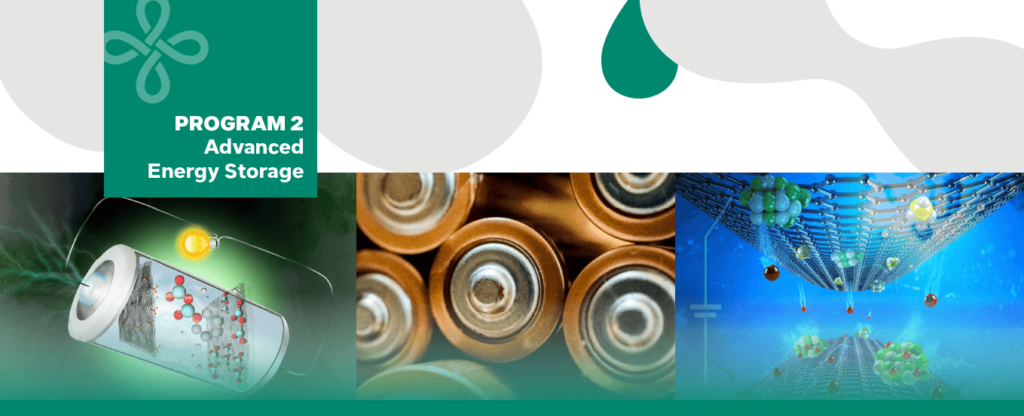
Advanced Energy Storage (AES) Principal investigator of the division: Rubens Maciel Filho (Unicamp) Generating national know-how in a critical area for decarbonization, the field of batteries and supercapacitors, was one of the main achievements of the AES program in the first 5 years of CINE. In fact, energy storage is at the heart of the energy transition, since the main growing renewable sources (wind and photovoltaics) generate energy intermittently, making…
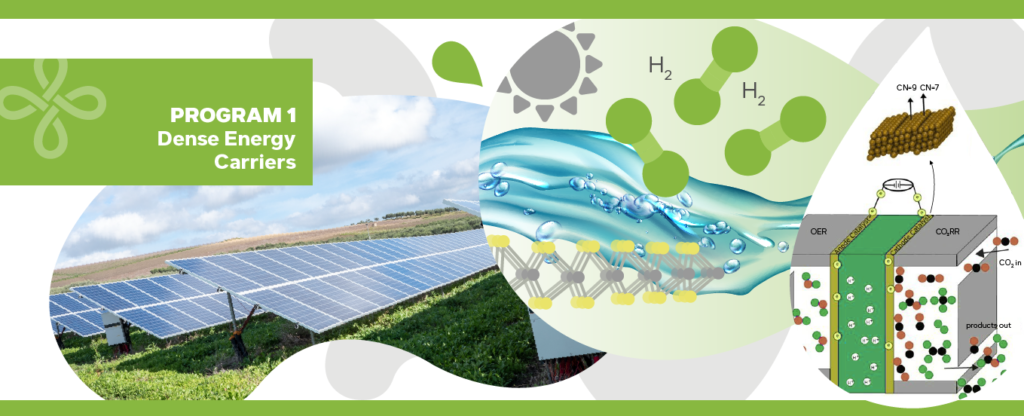
Dense Energy Carriers (DEC) Principal investigator of the division: Ana Flávia Nogueira (Unicamp) Over these 5 years, the DEC division has dealt with the most diverse challenges involving the use of the energy of the Sun to produce hydrogen and other molecules that can also be used as fuels. With this objective, the researchers of the division sought to develop materials and processes that combine low cost and good performance,…
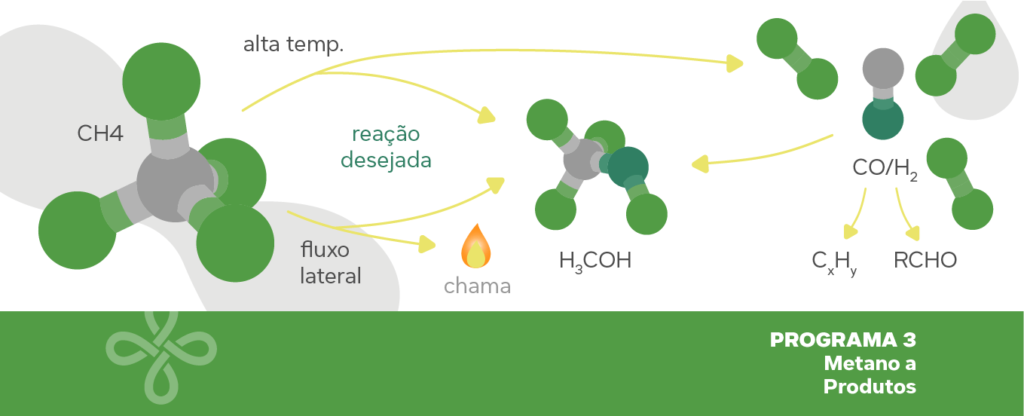
Methane to Products (M2P) Principal investigator of the division: Fabio Coral Fonseca (IPEN) Searching for new technologies to convert methane into molecules with greater added value was the main objective of this CINE division. The goal was challenging: the high stability of methane, which is the least reactive of all hydrocarbons, makes it difficult to transform it into other compounds. Therefore, M2P researchers had to develop new materials and equipment….