




The final workshop of the CINE – Itaú Energy Transition Track is held at UNICAMP








 E-mail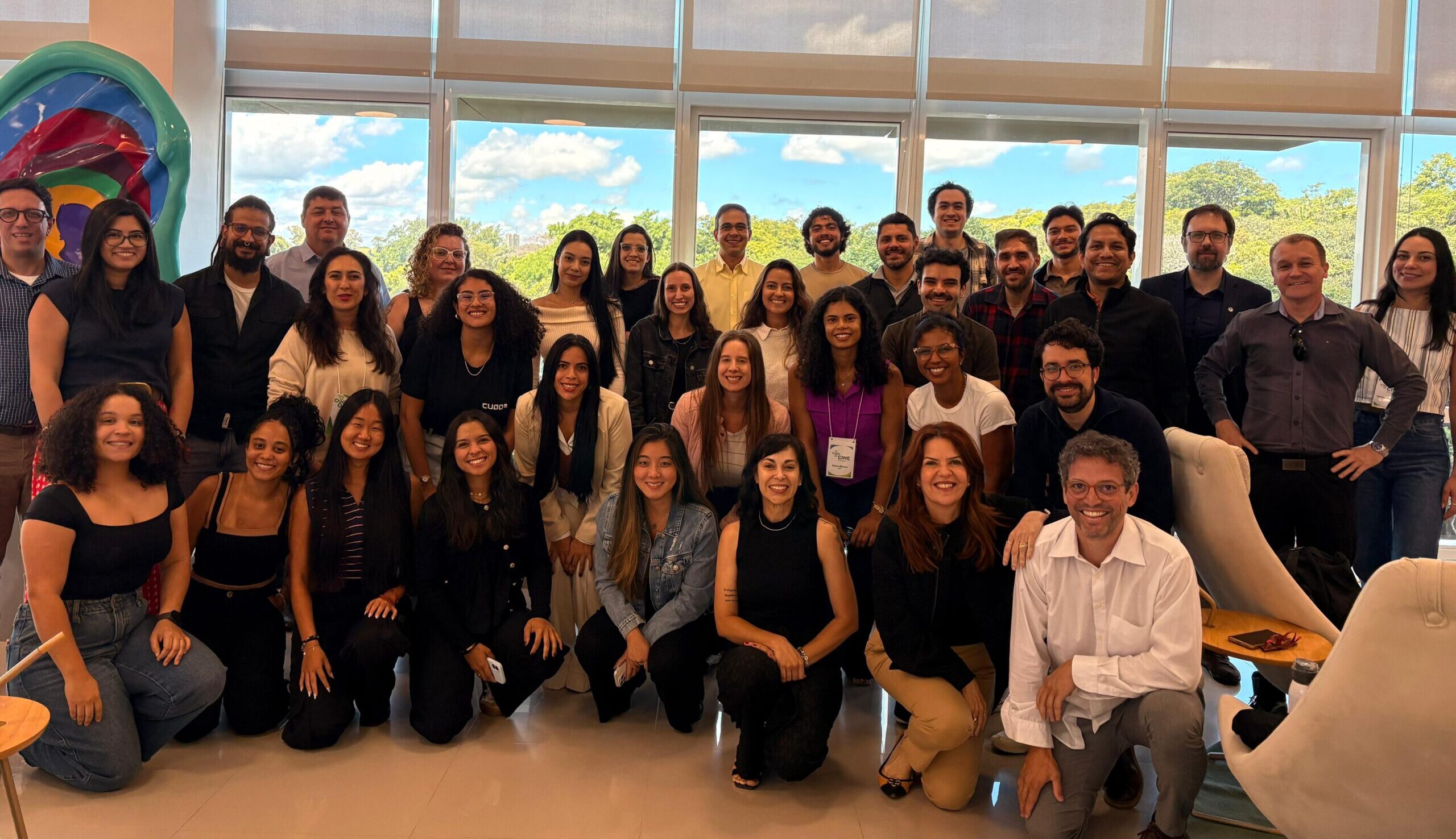
The fourth workshop of the Energy Transition Track brought to UNICAMP 35 people working in the area of Sustainability and ESG at Itaú to attend presentations on technologies for the energy transition and to visit research and development laboratories linked to CINE. In addition, 20 people watched the presentations via a live stream of the event on YouTube.
“I am very happy to have you here,” said Professor Ana Flávia Nogueira (UNICAMP), director of CINE, at the opening of the event, which took place on January 23rd. “It is super important that you can see in the field what we have been doing in R&D within the university,” expressed the scientist.
The workshop marked the closing of the second cycle of meetings organized within the CINE-Itaú agreement for the dissemination of knowledge about energy transition, called the Energy Transition Track. The other three workshops were held in São Paulo, at the Cubo Itaú headquarters.
In the first lecture of the morning, Professor Hudson Zanin (UNICAMP) showed how batteries placed on the electrical grid can help balance energy supply and demand in Brazil. According to Hudson, Principal Investigator of the Advanced Energy Storage (AES) division at CINE, the insertion of solar energy into the electrical grid has generated supply peaks at times of the day when there are no demand peaks. Furthermore, the increase in the number of electric cars in the national fleet should put pressure on this grid due to the proliferation of charging stations. “We can look to Germany and Australia, which are placing batteries on the grid, as the future of Brazil,” suggested the scientist.
In the second presentation, Professor Gustavo Doubek (UNICAMP), Co-Principal Investigator of the AES division, presented a series of information on technologies used for the electrification of transport, from types of batteries to the possibility of charging them while driving on streets specially designed for this purpose. Following this, Milad Kalume Neto, director of the consulting firm K.LUME, specializing in the automotive sector, analyzed the panorama of the automobile market in Brazil. “The electrified market will continue to grow,” concluded the consultant.
Closing the morning program, Professor Gregory Bregion Daniel (UNICAMP) spoke about wind energy. Gregory, a researcher in the CINE Energy Generation division, shared a historical analysis of the implementation of wind energy in Brazil – often called the “country with the best winds in the world.” The scientist showed the sector’s development from 2002 to the drop in investments in the last two years, and commented on the prospect of increased demand and investments from 2028 onwards.
After lunch, participants were taken on a tour of UNICAMP laboratories that are part of CINE.
Partnership
The Energy Transition Trail was conducted as part of a partnership between CINE and Itaú to disseminate knowledge on the subject. In this context, two cycles of workshops on topics related to the energy transition have already been held.
“I think the main result of this partnership, which is entering its third year, is an increasingly strong rapprochement between the university and the private sector so that we can all better understand what is happening in new technologies in the area of renewable energies,” says Ana Flávia Nogueira, director of CINE.
“This is one of the partnerships where we have the most contact with the university, and this environment of technological development and innovation is very important to bring together industry, the financial sector and academia,” said Fabio Luiz Guido, superintendent of Sustainability and ESG Strategy at Itaú, at the opening of the last workshop.
For 2026, the proposal of the agreement is to change the format of the events in order to engage a broad audience in a scientifically based discussion about the energy transition.
Contact
Ana Flávia Nogueira
UNICAMP
